

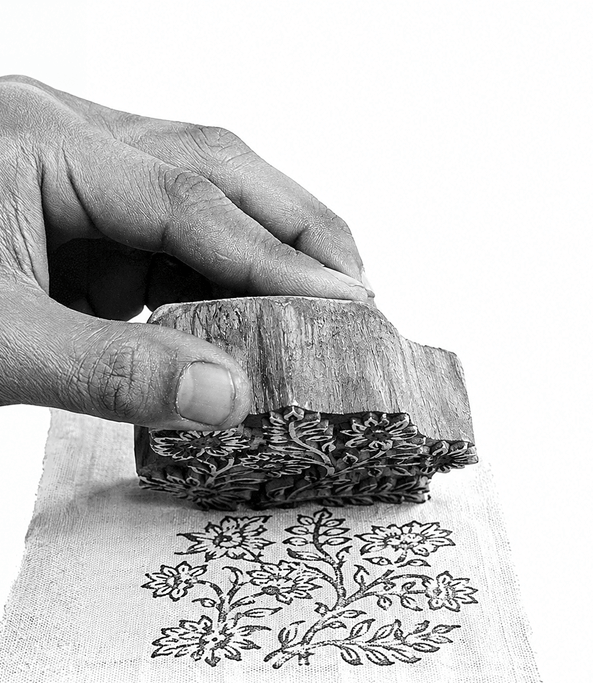
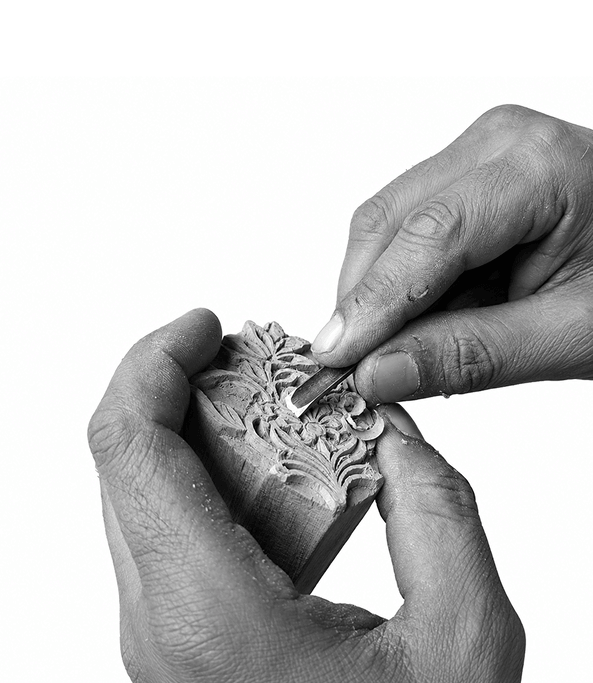

For more than two decades, Dr. Madan Lal Meena has undertaken extensive field-based research across Rajasthan and western India, working closely with rural, nomadic, and tribal communities. His work documents artistic practices, oral traditions, languages, material culture, and indigenous knowledge systems that continue to shape the region's cultural identity.
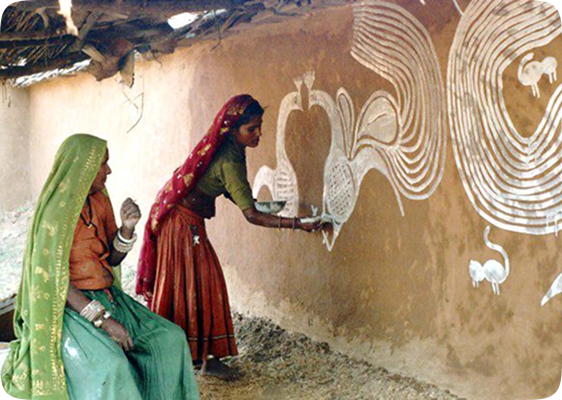
Dr. Madan Lal Meena's research into the wall paintings of the Meena community brought renewed attention to an artistic tradition that had long flourished within homes and village life. Through extensive documentation, conversations with women artists, and visual archives, he helped record the symbolism, techniques, and cultural narratives embedded in these paintings. His work has contributed to a greater appreciation of this indigenous art form as an important expression of community identity and heritage.
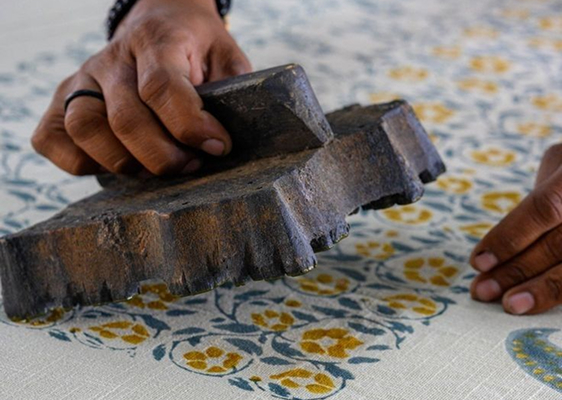
Recognising the gradual disappearance of traditional block-printing practices, Dr. Meena initiated research that explored historic techniques, artisan knowledge, and regional design traditions. By documenting craftsmanship and engaging with local printing communities, he contributed to the preservation of an important textile legacy while encouraging renewed interest in traditional hand-printing methods.
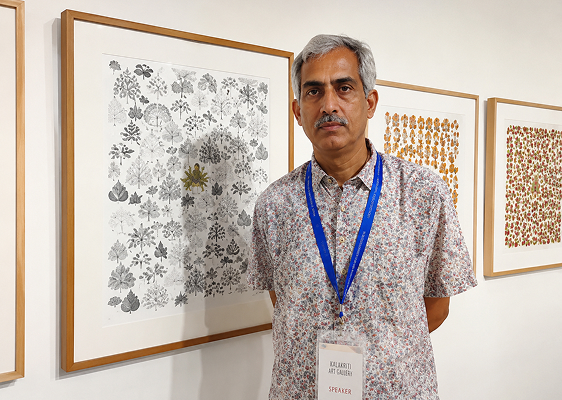
The oral traditions surrounding the legendary folk hero Tejaji have survived through generations of singers and storytellers. Dr. Meena's documentation of these performances has helped preserve multiple interpretations of the ballad, ensuring that its cultural significance and narrative richness remain available for future generations.
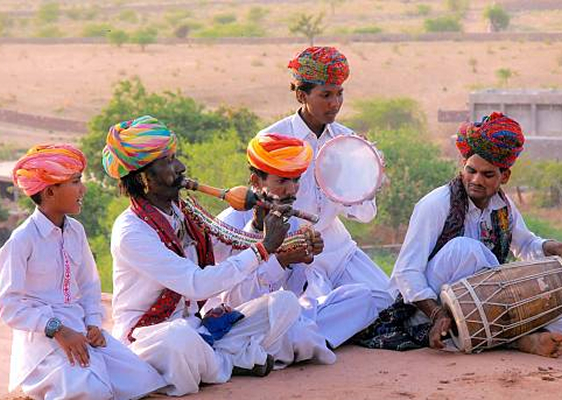
Through field visits and direct engagement with Kalbelia performers, Dr. Meena documented songs, music, and performance traditions that form an essential part of Rajasthan's cultural landscape. His work contributes to safeguarding a vibrant artistic tradition while recognising the role of music in preserving community identity.
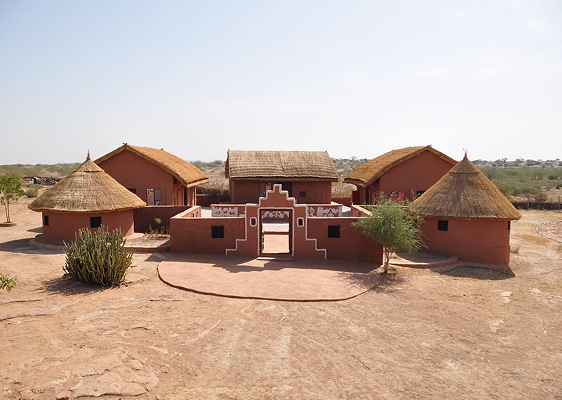
As curator of a unique museum exhibition, Dr. Meena explored the cultural significance of traditional brooms used across Rajasthan. His research highlighted how ordinary objects reflect regional craftsmanship, environmental knowledge, and everyday life, encouraging visitors to see familiar tools through the lens of history and culture.
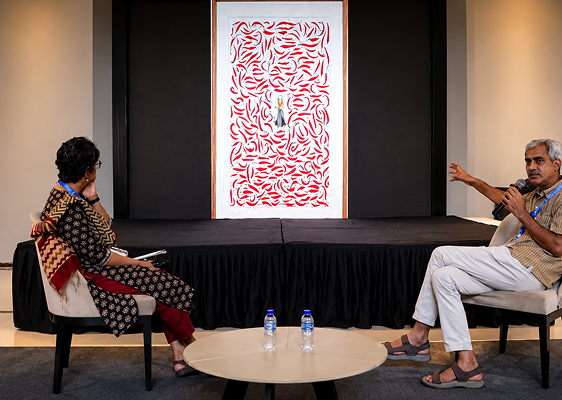
Language is one of the strongest expressions of cultural identity. Through his contribution to documenting the languages and dialects of Rajasthan, Dr. Meena helped create an important record of linguistic traditions that continue to shape the social and cultural fabric of the region.
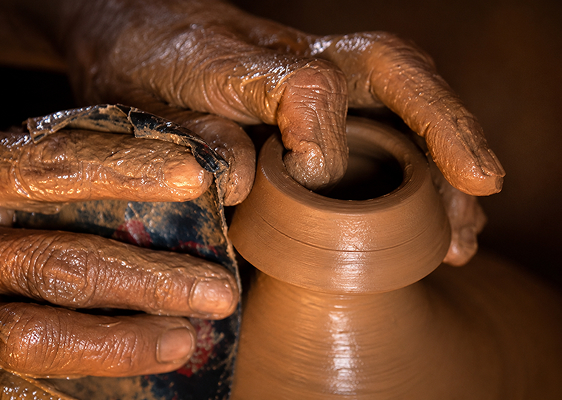
Driven by an interest in lesser-known forms of communication, Dr. Meena researched the secret languages spoken by nomadic and denotified communities. His work offers valuable insights into how language has been used to preserve identity, strengthen community bonds, and protect shared knowledge across generations.
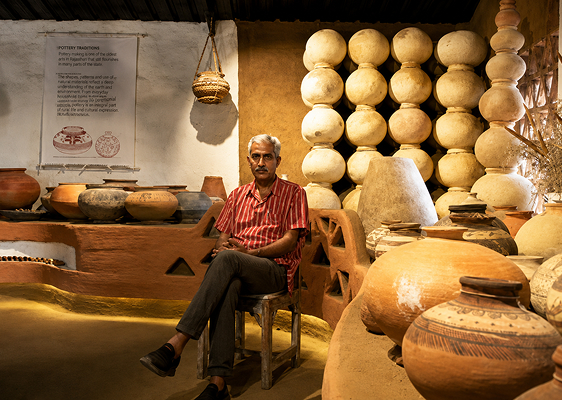
Through close collaboration with members of the Jogi community, Dr. Meena documented stories, songs, and cultural practices that continue to shape their identity. His work contributes to preserving an important body of oral knowledge while recognising the enduring value of community storytelling.
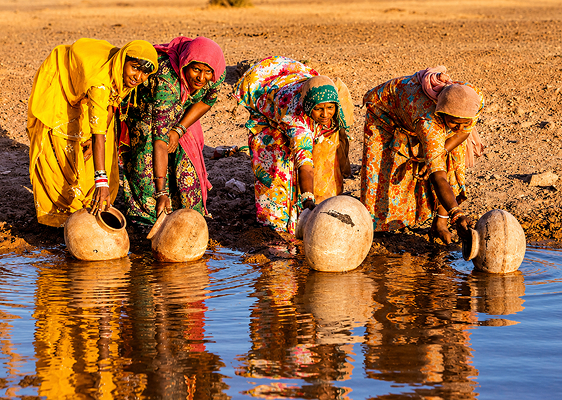
This research explores how communities have developed practical approaches to managing water in challenging environments. By documenting traditional practices and local knowledge, Dr. Meena's work highlights the close relationship between culture, environment, and sustainable living while demonstrating the importance of indigenous wisdom in addressing contemporary challenges.
Dr. Meena believes that culture cannot be understood through objects alone. It lives in the memories, practices, languages, and everyday lives of people.
His work focuses on documenting traditions within their cultural context, recognising that every craft, song, mural, and oral narrative reflects generations of knowledge and collective experience. Through research and artistic practice, he strives to preserve these living traditions while encouraging dialogue between indigenous knowledge systems and contemporary perspectives.
For him, documentation is not merely about recording the past—it is about ensuring that cultural knowledge continues to remain relevant, accessible, and meaningful for future generations.
Throughout his career, Dr. Meena has collaborated with cultural institutions, academic organisations, museums, and research initiatives dedicated to the preservation of traditional knowledge and community heritage. His work has engaged with ministries, universities, and practitioners across India and internationally, creating meaningful dialogues between communities and contemporary scholarship.




For collaborations on art, folklore, cultural traditions, and craft research — whether academic, institutional, or community-led — please feel free to reach out.
Ongoing collaborations that contribute to the understanding and preservation of cultural traditions are always welcome.